
Unveiling the Mysteries: A Journey Through the History of Ometepe
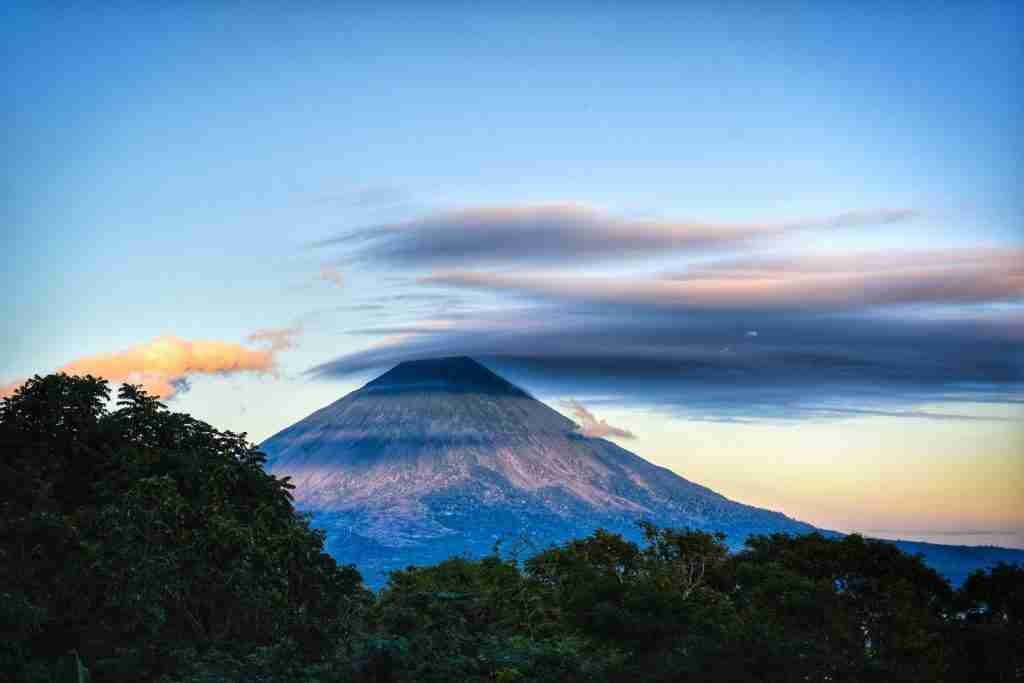
Nestled like a gem in the midst of Lake Nicaragua, the island of Ometepe is a place where time seems to stand still, where the echoes of ancient civilizations whisper through the rustling leaves of its lush forests. This enchanting island, formed by two majestic volcanoes rising from the depths of the lake, holds a history as rich and diverse as the land itself. Join us on a journey through time as we unravel the mysteries of Ometepe’s past.
A Geological Marvel
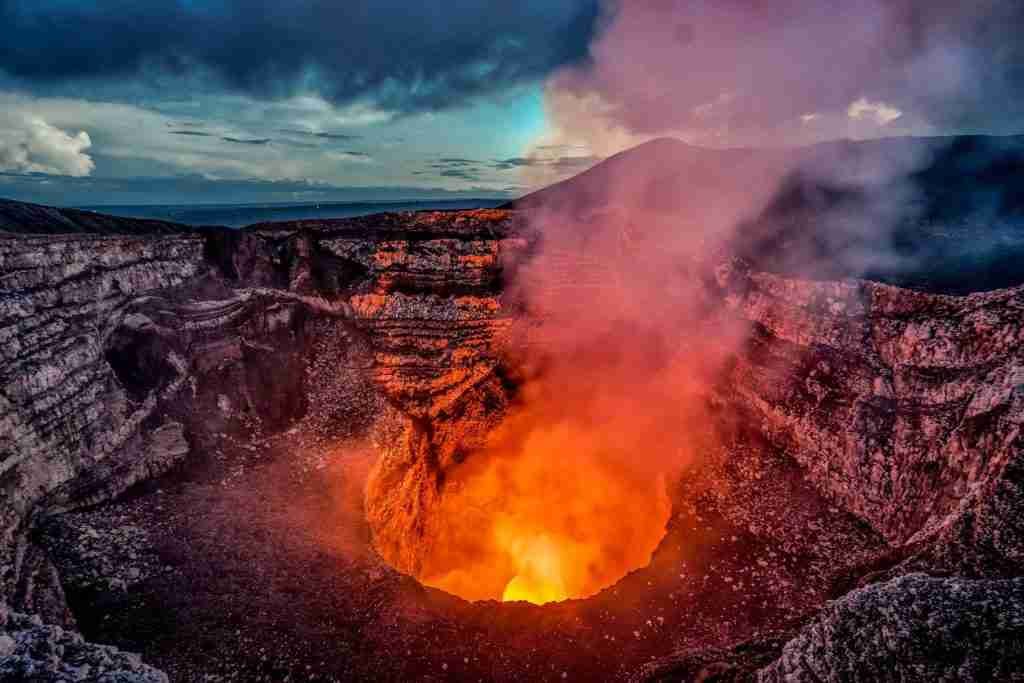
Before delving into the human history of Ometepe, it’s crucial to understand the geological forces that shaped this unique island. It’s been suggested by experts that millennia ago, Lake Cocibolca and Lake Managua might have been connected to the Pacific Ocean. They propose that seismic activities, including earthquakes and volcanic eruptions, gradually transformed the landscape, creating the inland basin that now hosts these two lakes. Ometepe is the result of the convergence of two massive volcanoes, Concepción and Maderas, which emerged from the depths of Lake Nicaragua thousands of years ago. These towering giants, shrouded in myth and legend, have not only sculpted the island’s landscape but have also influenced the lives and cultures of its inhabitants for centuries.
Ancient Inhabitants
The history of human habitation on Ometepe dates back over 4,000 years, with evidence of early settlements found throughout the island. The first inhabitants were likely of Chibchan and Nahua descent, belonging to ancient indigenous groups that migrated to the region in pre-Columbian times. These early settlers were skilled farmers, cultivating the fertile soil of Ometepe to grow maize, beans, and other staple crops.
By the 15th century, Ometepe was inhabited by the Nicarao people, a powerful indigenous group that would leave an indelible mark on the island’s history. The Nicarao were skilled artisans and traders, known for their intricately crafted pottery and their extensive networks of commerce that stretched across the region.
Ometepe; The Island of Gods
The ancient inhabitants of Ometepe held deep spiritual beliefs and worshipped a pantheon of gods and goddesses believed to inhabit the island’s natural features. Among these deities, perhaps the most revered were figures associated with nature, fertility, and agriculture, reflecting the island’s reliance on the land for sustenance. Ceremonial sites and sacred rituals were conducted at prominent locations such as the twin volcanoes, Concepción and Maderas, which were seen as sacred mountains imbued with divine power. Offerings of food, pottery, and other items have been discovered at these sites, suggesting a tradition of propitiation and reverence towards the spiritual forces believed to govern the island’s fertility and prosperity.
Echoes of Ancient Spirits: The Enigmatic Petroglyphs of Ometepe
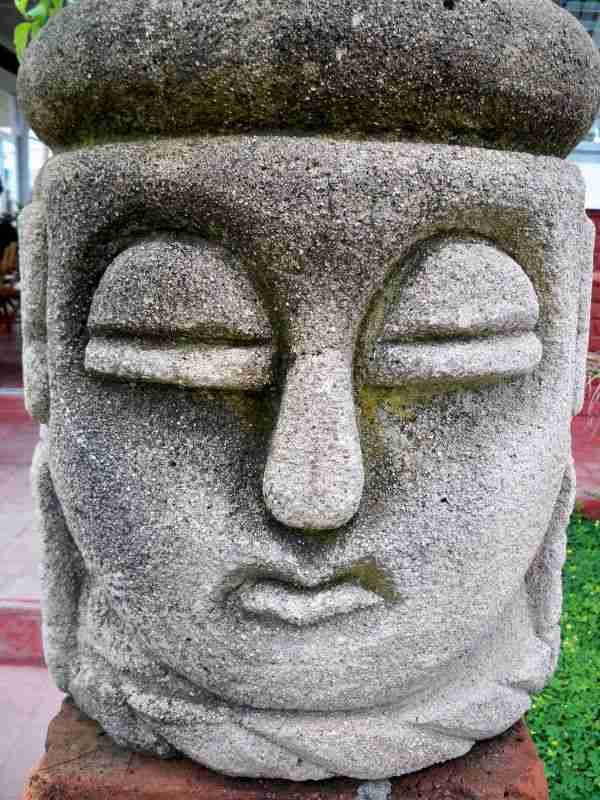
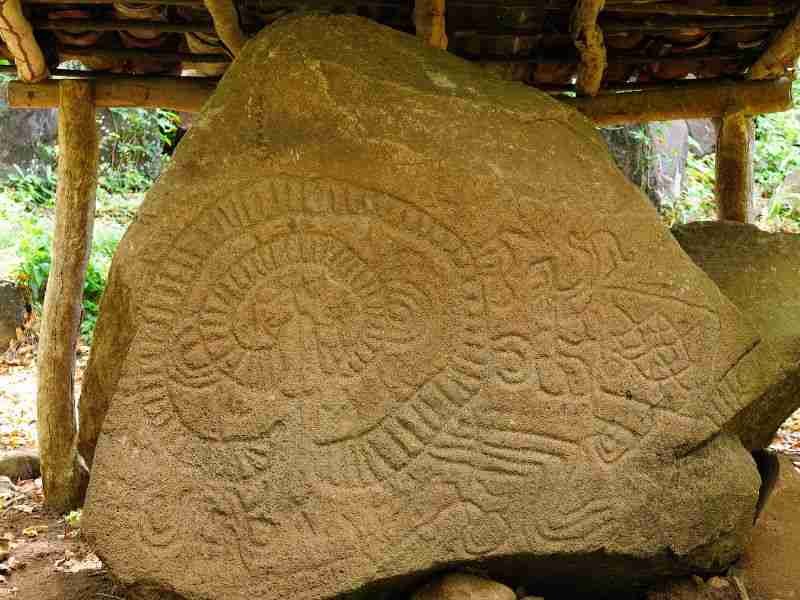
Some of the history of Ometepe can still be seen in the numerous petroglyphs scattered on the island. These petroglyphs are testament to the artistic and cultural expression of its ancient inhabitants. Carved into the island’s volcanic rock surfaces, these intricate designs and symbols provide a glimpse into the beliefs, rituals, and daily lives of the people who once dwelled here. Dating back thousands of years, the petroglyphs depict a variety of subjects, including animals, humans, geometric patterns, and mythological beings. These enigmatic artworks serve as a form of communication, conveying stories, spiritual concepts, and cultural traditions across generations. While the exact meanings behind many of these petroglyphs remain shrouded in mystery, their presence underscores the enduring legacy of Ometepe’s ancient civilizations and their profound connection to the natural landscape.
The Legacy of Colonialism
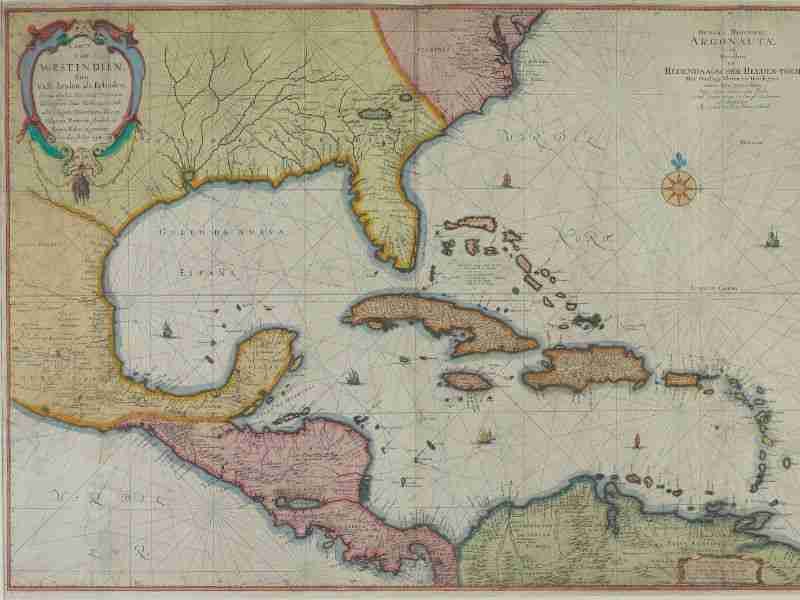
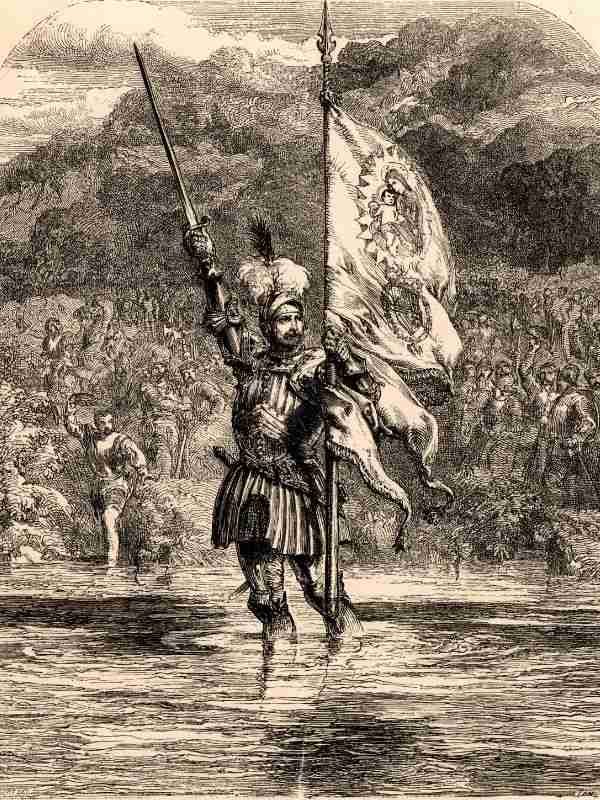
The arrival of Spanish conquistadors in the early 16th century marked a turning point in the history of Ometepe. Led by the ruthless explorer Gil González Dávila, the Spanish launched a brutal campaign of conquest, subjugating the indigenous peoples of the region and plundering their riches. The Nicarao fiercely resisted the Spanish incursions, but their efforts were ultimately in vain, and Ometepe fell under Spanish rule.
The centuries of colonial rule brought profound changes to Ometepe, as Spanish missionaries sought to convert the indigenous population to Christianity and impose their cultural norms upon them. The native languages and traditions of the Nicarao were suppressed, and their lands were seized for the benefit of Spanish settlers and encomenderos. Despite these hardships, the spirit of resistance and resilience endured among the people of Ometepe.
Independence and Beyond
Eventually, in 1821, Nicaragua gained its independence, but the legacy of colonialism continued to cast a long shadow over Ometepe and its people. In the centuries that followed independence, Ometepe faced a myriad of challenges, from economic hardship to environmental degradation and social inequality. However, in recent years, the island has experienced a resurgence of cultural pride and environmental stewardship, as local communities work to preserve their heritage and protect the natural beauty of their home.
Modern Day Signs of Ometepe’s History
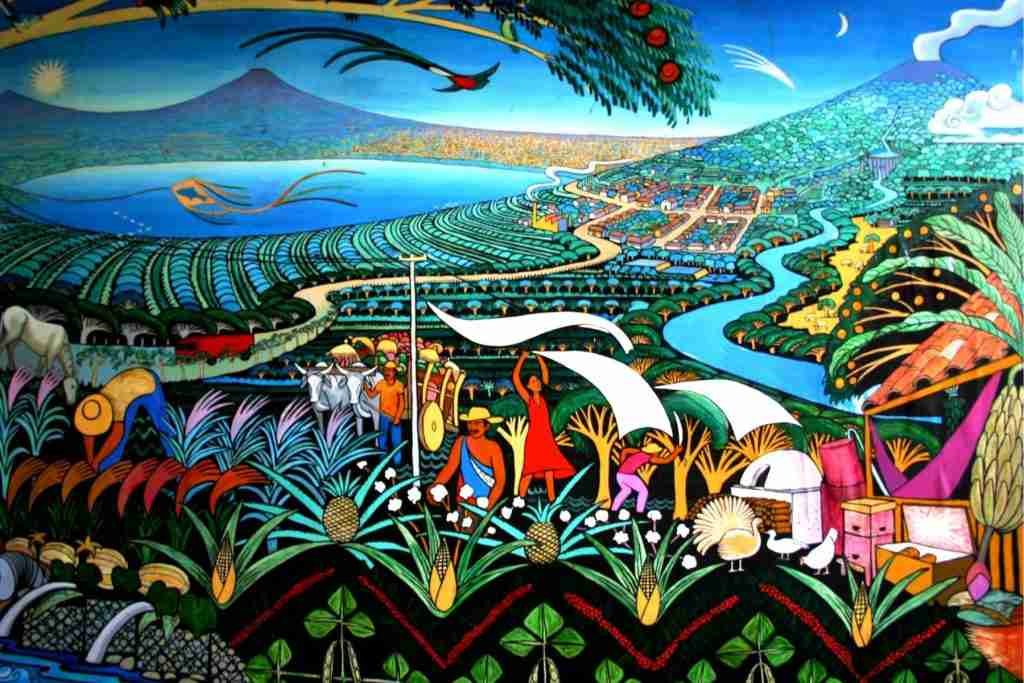
The living story of Ometepe’s past still echoes through the colorful fabric of everyday life. The Spanish language, inherited from colonial times, blends seamlessly with traces of Nahuatl language, hinting at ancient roots. Listen closely, and you’ll catch whispers of old wisdom mingling with everyday talk, offering glimpses into centuries of history.
But beyond the language mix lies the core of Ometepe’s culture, formed by the sometimes difficult past: a deep sense of community that withstands time and challenges. Built on tradition and passed down through generations, this belief in mutual support and togetherness defines island living. In tough times, it’s the strength of the community that holds everyone up.
A brief History of Ometepe; Conclusion
As we reflect on the history of Ometepe, we are reminded of the timeless allure of this enchanting island, where the past intertwines with the present in a tapestry of stories and traditions. From the ancient civilizations that once flourished here to the modern struggles and triumphs of its people, Ometepe continues to captivate the imagination and inspire awe in all who visit its shores. In the heart of Lake Nicaragua, the spirit of Ometepe lives on, a testament to the enduring resilience of the human spirit.
Come and visit this island rich in history. Immerse yourself in the warmth and hospitality of the island’s local communities. Engage with the amazing people who call Ometepe home, and discover the depth of their connection to the land and its storied past. Delve into the islands ancient history by visiting the mesmerizing petroglyphs scattered across volcanic rock formations. And for a deeper understanding of Ometepe’s cultural heritage, venture into its museums, where the legacy of pottery craftsmanship comes to life.

Leave a Reply